Top Construction Equipment for Your Next Project
When embarking on a construction project, choosing the right equipment can make all the difference between success and failure. Whether you're building a new home, renovating an existing structure, or undertaking a large commercial project, having the right tools at your disposal is crucial. This guide will explore the top construction equipment you should consider for your next project, ensuring you have the right resources to get the job done efficiently and effectively.
Understanding Your Project Needs
Before diving into the specifics of construction equipment, it's essential to understand the unique requirements of your project. Consider the following factors:
Project Size: Larger projects may require heavy machinery, while smaller jobs can often be completed with lighter equipment.
Terrain: The type of ground you are working on can influence your equipment choices. Rocky, uneven terrain may necessitate specialized machinery.
Timeline: If you have a tight deadline, investing in more advanced equipment may help speed up the process.
Budget: Always keep your budget in mind. Renting equipment can be a cost-effective solution for short-term projects.
Essential Construction Equipment Categories
Earthmoving Equipment
Earthmoving equipment is essential for moving large amounts of soil and debris. Here are some key types:
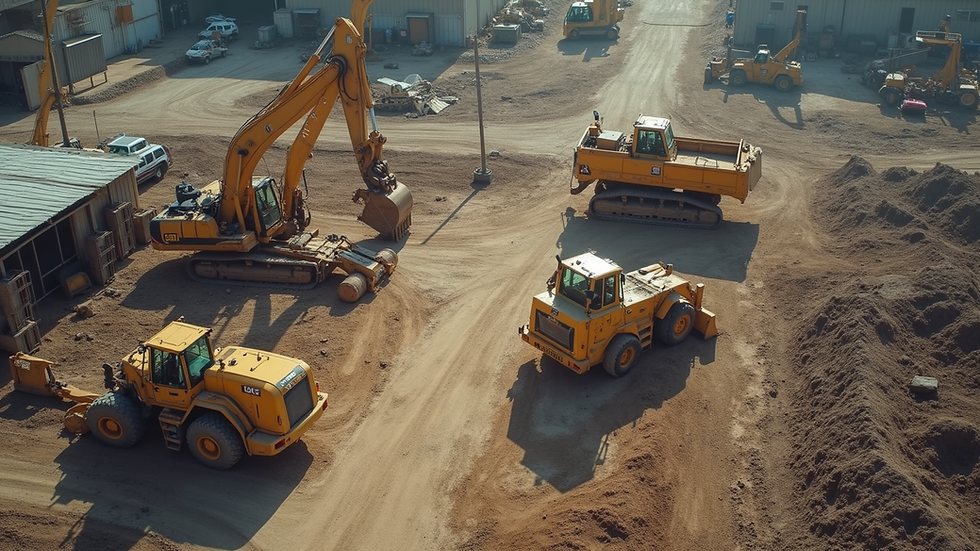
Excavators: These machines are versatile and can dig, lift, and move materials. They come in various sizes, making them suitable for both large and small projects.
Bulldozers: Known for their powerful blades, bulldozers are ideal for grading and pushing large quantities of material.
Backhoe Loaders: These machines combine the capabilities of a loader and an excavator, making them perfect for smaller jobs that require both digging and lifting.
Material Handling Equipment
Once the site is prepared, you'll need equipment to handle materials efficiently:
Forklifts: Essential for lifting and moving heavy materials around the site, forklifts come in various sizes and configurations.
Telehandlers: These versatile machines can reach high places and are great for lifting materials to upper floors of a building.
Cranes: For larger projects, cranes are necessary for lifting heavy materials to significant heights. They come in various types, including tower cranes and mobile cranes.
Concrete Equipment
Concrete is a fundamental material in construction, and having the right tools for handling it is crucial:
Concrete Mixers: These machines mix concrete on-site, ensuring you have fresh material when you need it.
Concrete Pumps: For larger pours, concrete pumps can transport concrete from the mixer to the desired location quickly and efficiently.
Vibrators: These tools help eliminate air bubbles in poured concrete, ensuring a solid and durable finish.
Compaction Equipment
Proper compaction is vital for creating a stable foundation. Consider these options:
Plate Compactors: Ideal for smaller areas, plate compactors are used to compact soil and asphalt.
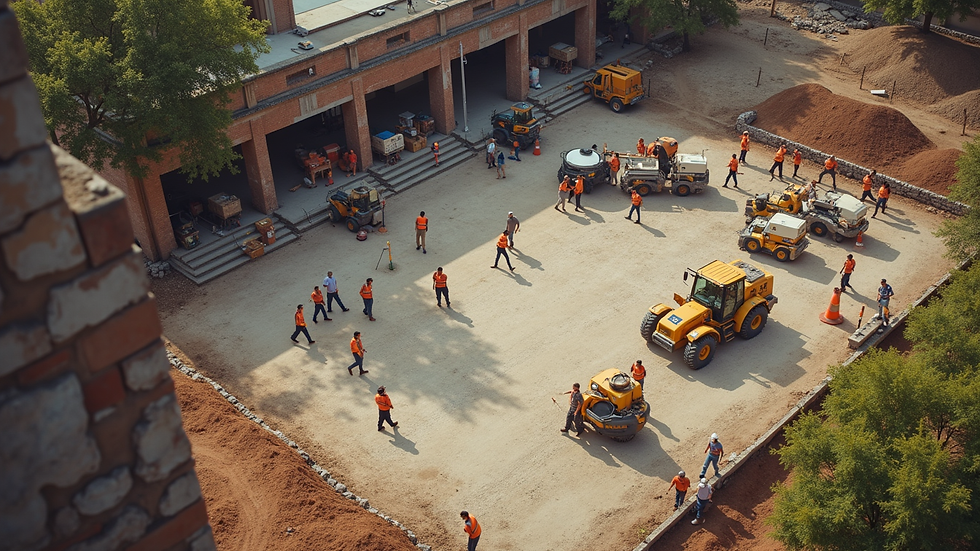
Rollers: These machines are essential for larger areas, providing thorough compaction of soil, gravel, and asphalt.
Rammers: For tight spaces, rammers are effective in compacting soil and other materials.
Safety Equipment
Safety should always be a priority on any construction site. Equip your team with the following:
Personal Protective Equipment (PPE): Hard hats, gloves, safety glasses, and high-visibility clothing are essential for protecting workers.
Safety Barriers: Use barriers to keep unauthorized personnel away from hazardous areas.
First Aid Kits: Always have a well-stocked first aid kit on-site to address any injuries promptly.
Choosing the Right Equipment
When selecting construction equipment, consider the following tips:
Assess Your Needs: Evaluate the specific tasks you need to accomplish and choose equipment that best fits those needs.
Research Options: Look into different brands and models. Read reviews and seek recommendations from other professionals in the field.
Consider Rental vs. Purchase: For short-term projects, renting equipment can save money. For long-term use, purchasing may be more economical.
Check for Maintenance: Ensure that the equipment is well-maintained and in good working condition to avoid delays on the job site.
Top Brands to Consider
Several manufacturers are known for producing high-quality construction equipment. Here are a few to keep in mind:
Caterpillar: Renowned for their durable and reliable machinery, Caterpillar offers a wide range of earthmoving and construction equipment.
John Deere: Known for their agricultural equipment, John Deere also produces excellent construction machinery, particularly in the compact equipment category.
Komatsu: This Japanese manufacturer is recognized for its innovative technology and robust construction equipment.
Bobcat: Specializing in compact equipment, Bobcat is a popular choice for smaller projects and tight spaces.
Renting vs. Buying Equipment
Deciding whether to rent or buy construction equipment can significantly impact your project's budget and efficiency. Here are some considerations for each option:
Renting Equipment
Advantages:
Lower Initial Costs: Renting can be more affordable upfront, especially for short-term projects.
Access to Latest Technology: Rental companies often have the latest models, allowing you to use advanced equipment without the commitment of purchase.
Maintenance Included: Rental agreements typically cover maintenance, reducing your responsibilities.
Disadvantages:
Long-Term Costs: If you need equipment for an extended period, renting can become more expensive than buying.
Availability Issues: Popular equipment may not always be available when you need it.
Buying Equipment
Advantages:
Long-Term Investment: Purchasing equipment can be more cost-effective for long-term use.
Customization: Owning equipment allows you to modify it to suit your specific needs.
Availability: You have immediate access to your equipment whenever you need it.
Disadvantages:
Higher Initial Costs: Buying equipment requires a significant upfront investment.
Maintenance Responsibilities: As an owner, you are responsible for maintenance and repairs.
Conclusion
Selecting the right construction equipment is crucial for the success of your project. By understanding your needs, evaluating your options, and considering the pros and cons of renting versus buying, you can make informed decisions that will lead to a smoother construction process. Remember to prioritize safety and invest in quality equipment that will stand the test of time. With the right tools at your disposal, you can tackle any construction challenge with confidence.
As you plan your next project, take the time to research and choose the equipment that best fits your needs. Your project’s success depends on it.
Comments